



Sinus Lifting
Tooth loss in the upper jaw can gradually become more than just an aesthetic issue. Over time, the reduction in bone volume may turn into an anatomical obstacle that makes dental implant placement more difficult. With the sinus lifting procedures we perform in our clinic, we address the problem of jawbone resorption and rebuild the strong foundation required for implant treatment. Commonly known as sinus lifting or sinus elevation, this procedure involves raising the floor of the air cavities located in the posterior upper jaw and adding bone graft material to that area. In this guide, we explain the details of this surgical procedure—which directly affects implant success—together with our treatment approach and vision for 2026.
What is Sinus Lifting (Sinus Elevation)?
Sinus lifting is a surgical procedure that increases bone volume by elevating the sinus cavity in order to place dental implants in the posterior region of the upper jaw.
This procedure is frequently performed in patients who have experienced bone loss following tooth loss. The sinus membrane is carefully lifted and a bone graft is placed beneath it. This creates sufficient bone thickness for the implant to anchor securely. The procedure is performed under local anesthesia and is generally painless. Although the healing period varies from person to person, it typically takes about 4–6 months to complete. Sinus lifting is an important step that significantly increases the success of implant treatment and should be performed by experienced surgeons.
What Are the Symptoms of Sinus Sagging?
Sinus sagging can present itself with several symptoms. The most common ones include:
- Reduction in jawbone volume in the upper jaw due to missing teeth.
- Discomfort or difficulty while chewing.
- A feeling of pressure or fullness in the sinus area.
- Nasal congestion or increased pressure in the sinuses.
- Headaches and a general feeling of discomfort in some cases.
- Insufficient bone height in the area planned for implant treatment, which can be detected through radiological imaging.
Anatomical Requirements
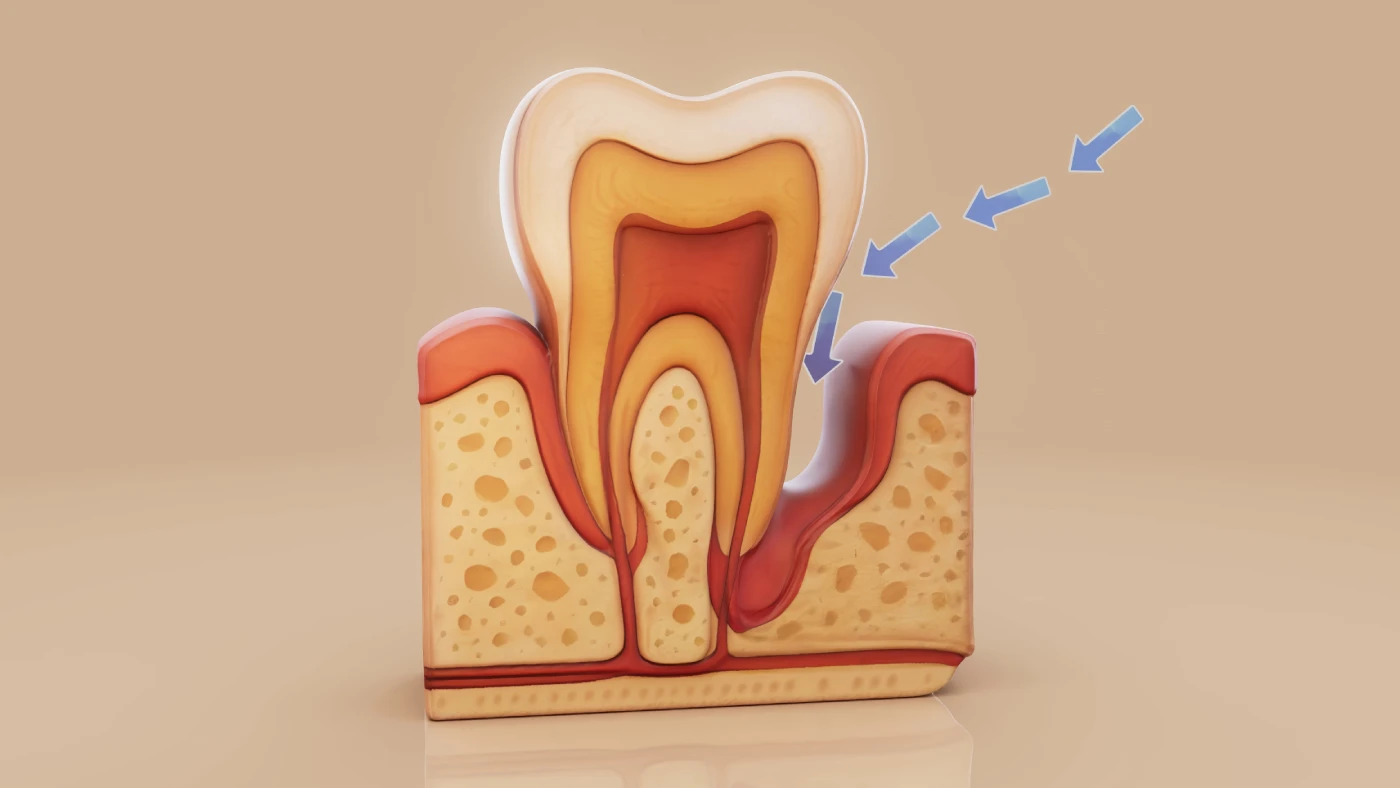
In the upper jaw, just above the molar teeth, there are air cavities called the maxillary sinuses. When teeth are extracted or when a patient remains toothless for a long period of time, these cavities tend to expand downward, causing the jawbone to become thinner vertically. Dental implants require a certain bone height and volume to remain stable within the bone. If the existing bone is shorter than the length of the implant, there is a risk that the implant may extend into the sinus cavity. At this point, we intervene by lifting the sinus floor and filling the newly created space with bone graft materials.
This procedure can be considered a type of biological and structural engineering that is essential for ensuring the long-term success of dental implants. In our clinic, we do not consider sinus lifting as separate from implant surgery. Adequate bone support is essential for a successful implant treatment, and we do not recommend implant placement without first establishing this support. Our goal is not simply to fill the space, but to create a biological framework that allows your body to generate its own new bone.
Open and Closed Sinus Lifting Techniques
Depending on the existing bone quantity, sinus lifting operations are performed using two different techniques: open sinus lifting or closed sinus lifting. The most suitable technique for you is determined after detailed tomographic analysis. We generally prefer the closed sinus lifting technique when there is around 4–5 millimeters of bone height and the sinus floor needs to be elevated only 2–3 millimeters. In this method, the sinus floor is gently elevated using specialized instruments through the implant site without making a large incision in the gum tissue. The closed technique is generally more comfortable for the patient and has a faster healing period.
The open sinus lifting technique is applied when bone height is extremely limited, sometimes as little as 1–2 millimeters. In this method, a small window is created on the side of the gum to access the sinus area. The sinus membrane is carefully lifted, and a significant amount of bone graft material is placed into the newly created space. Although the open technique is a more comprehensive surgical procedure, it allows for a much greater increase in bone volume.
Bone Grafts and Material Selection
The bone graft materials placed inside the sinus cavity are the fundamental component of the procedure. The grafts used in our clinic may be human-derived, animal-derived, or synthetic. In many cases, we prefer natural bone minerals derived from bovine sources because their structure is very similar to human bone and they maintain their volume for a long time. In some situations, we combine these materials with small autogenous bone particles taken from the patient’s own jaw to accelerate the bone regeneration process.
All graft materials and membranes used in our clinic are internationally certified, sterile, and fully traceable products. The quality of the materials placed inside your body plays a major role in the long-term success of the implant. For this reason, we never use low-quality materials in our clinic due to cost considerations.
Implant Placement in the Same Session
One of the most frequently asked questions from our patients is whether an implant can be placed at the same time as the sinus lifting procedure. If the existing bone volume is sufficient to stabilize the implant at the time of placement—generally at least 4–5 millimeters—we can place the implant during the same session.
This approach saves the patient from undergoing a second surgical procedure and shortens the total treatment duration by approximately 4–5 months.
However, if the bone volume is very limited and there is not enough support for the implant to remain stable, we prefer to perform the sinus lifting procedure first and wait for bone formation. This two-stage approach allows us to achieve the safest and most predictable results without taking unnecessary risks. After approximately 6 months, once the new bone has formed and hardened, the implant is placed.
Sinus Lifting Prices 2026
The cost of a sinus lifting procedure may start from approximately 9,000 TL and can vary depending on the materials used, the technique applied, and the clinic.
The price may differ depending on factors such as the amount of bone graft material required, whether the open or closed technique is used, the surgeon’s expertise, and the city where the clinic is located. Additionally, placing an implant during the same procedure or the need for additional surgical steps may increase the overall cost.