



Dental Bonding
In aesthetic dentistry, bonding, also known as composite lamination, is a minimally invasive method in which a tooth-colored composite resin is applied to the front surface of the tooth to improve its shape, color, and surface appearance. It provides quick results for cracks, chips, diastema (gaps between teeth), wear, discoloration, and minor shape irregularities. The fact that it is completed in a single session in most cases, requires little to no tooth reduction, and is considered a reversible option explains why the method is so popular. It is also budget-friendly; compared with porcelain veneers, it offers impressive esthetic results at a more accessible cost.
However, it would not be correct to see bonding as a “miracle” that solves everything with a single material. Proper case selection, careful planning, and good craftsmanship (layering, contouring, and polishing) are the keys to success. In this article, we have summarized the most frequently asked questions about bonding in a simple and clear way, from who it is suitable for to the steps of the procedure and the tips for long-lasting use.
What Is Dental Bonding?
Dental bonding is the process of applying a composite resin material that matches the natural color of the tooth and shaping it directly on the tooth surface. Dentists generally use this method to repair chipped or cracked teeth or to close gaps between teeth (diastema).
During the procedure, the putty-like filling material is applied to the tooth, hardened with a special light, and then polished. Unlike porcelain veneers, there is usually no need for tooth reduction, and the entire process is typically completed in a single session. This treatment, which often does not even require anesthesia, is one of the fastest and most economical ways to improve smile esthetics.
What Does Bonding Mean and In Which Cases Is It Preferred?
The word “bonding” literally means attaching or fixing, and in dentistry it refers to the adhesion of special filling materials to the tooth surface. The material used in this procedure consists of high-quality composite resins specially produced for esthetic dentistry, with high light-transmitting properties and the ability to be polished. Applied to the teeth in layers, this material is shaped by the dentist with almost sculptor-like precision. The main purpose of the procedure is to improve the esthetic form of the tooth without damaging it. Since esthetic concerns in the front teeth can negatively affect a person’s social life, bonding treatment can also provide psychological relief.
One of the most common situations in which we prefer this method is closing spaces between teeth, known as diastema. For patients who have gaps between their teeth and do not want to go through long and costly procedures such as orthodontic treatment or porcelain veneers, bonding can play a highly practical role. It is also very effective in repairing teeth chipped or cracked due to trauma, enlarging genetically small teeth, and masking discolorations on the tooth surface that cannot be removed otherwise. For patients who want to lengthen their teeth and balance the smile line, this method is again one of the fastest solutions.
How Does the Procedure Progress Step by Step?
One of the features our patients like most about bonding is that it can usually be completed without even needing anesthesia. If there is no decay in the tooth being treated and no intervention on the gums is required, patients generally do not feel pain or discomfort. The process begins with a detailed examination and smile analysis. Our dentist listens to your expectations and determines the tooth form that best suits your facial features. Then, the tooth surface is cleaned with special solutions and a slightly roughened surface is prepared so that the composite material can bond properly. This stage is microscopic in nature and does not damage the tooth.
After the preparation stage, our dentist selects a composite material that matches your tooth color as closely as possible. Once special adhesives called bonding agents are applied, the composite material is placed onto the tooth in layers. At each layer, a special curing light is used to harden the material. The most artistic part of the process is the shaping stage. Our dentist refines the material according to the natural form, angle, and translucency of the tooth. Finally, with detailed polishing and finishing procedures, the tooth gains a natural enamel-like shine and becomes more resistant to staining. This entire process takes an average of thirty to sixty minutes per tooth.
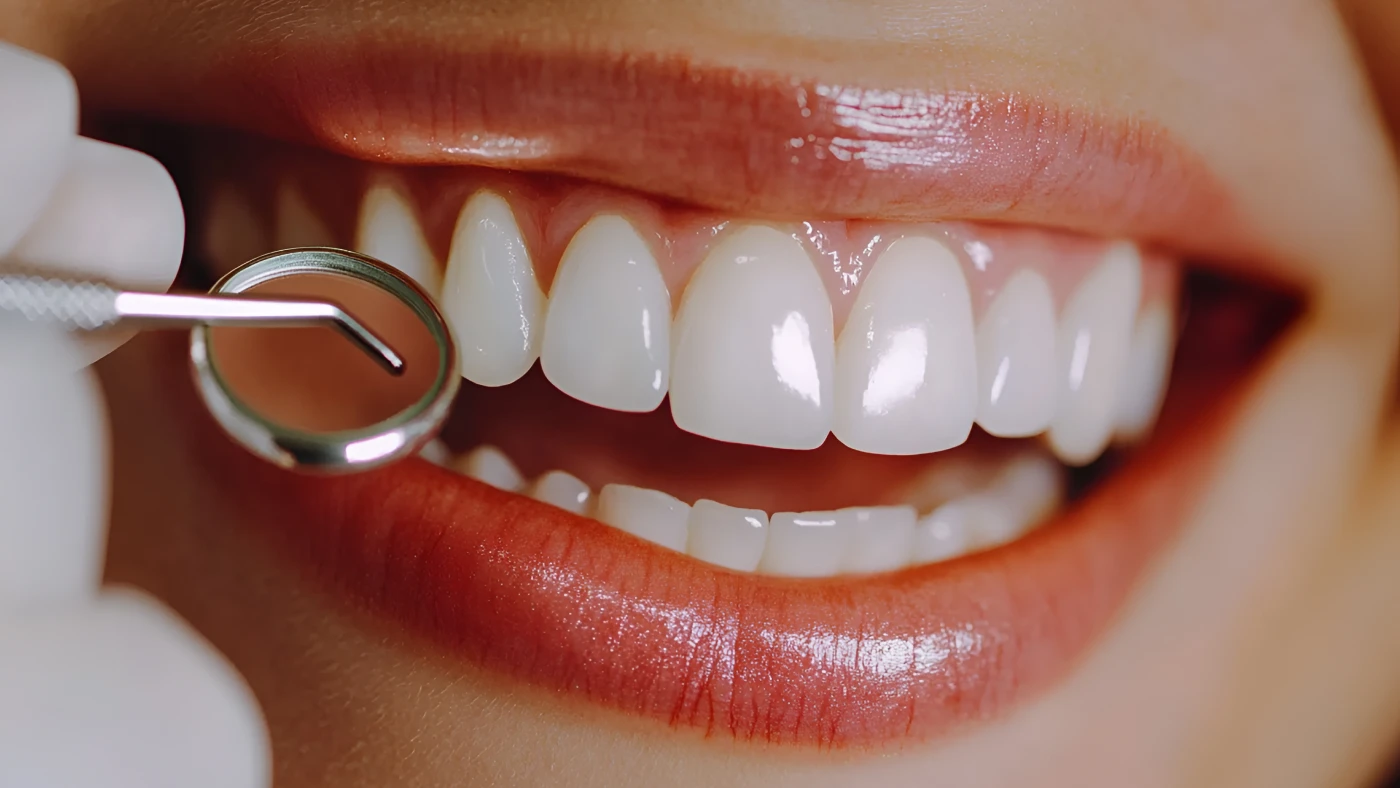
The Differences Between Porcelain Veneers and Bonding
Both methods are esthetic-focused; however, the material and the process are different. Porcelain veneers require custom measurements and a laboratory stage; even though they are thin, they usually involve tooth reduction at the micron level, and they offer very high fracture resistance and color stability. Bonding, on the other hand, is completed in the clinic in a single session in most cases; the tooth structure is preserved as much as possible, and minor corrections or additions can be made when needed. In the long term, porcelain is generally considered superior in terms of color stability and scratch resistance, whereas bonding is advantageous in terms of cost and the level of intervention. The best choice should be made according to the combination of the case, expectations, and budget.
What Should I Consider Before Bonding?
- If you are considering teeth whitening, complete it first and wait at least 7–10 days for color stabilization.
- Share your lip-and-teeth photos and smile examples you like with your dentist in order to clarify your expectations.
- Prioritize your gum health: plan bonding after professional cleaning and, if necessary, minor gum contouring procedures.
- If you have a history of bruxism, discuss night guard options; this helps protect the newly treated surfaces.
- On the day of the procedure, come to your appointment with lip balm and enough free time; do not rush the final polishing stage.
Dental Bonding Prices 2026
Although dental bonding prices vary depending on the number of teeth, the location of the clinic, and the dentist’s experience, they generally range between 1,500 and 8,000 TL.
In Türkiye, an esthetic bonding procedure for a single tooth is usually around 1,500 to 3,500 TL, while in some private clinics this figure may rise to 5,000 to 8,000 TL. Bonding is generally a fast and esthetic solution completed in a single session, but a personal examination is the most accurate way to determine the exact fee.