


What is Metal Dental Veneer? How is Metal-Supported Porcelain Dental Veneer Applied?
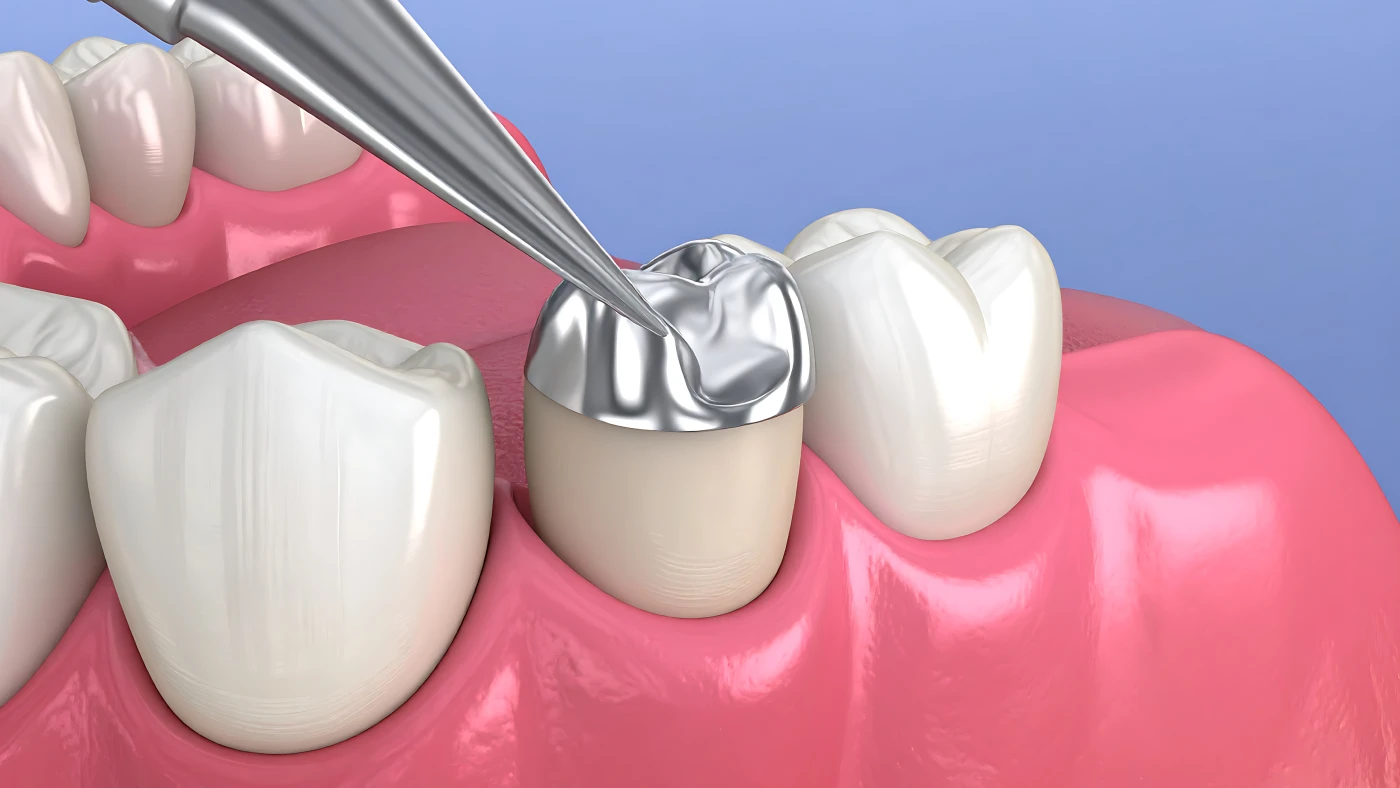
Metal dental veneers are a method where a metal base is covered with porcelain to increase durability. Metal-supported porcelain veneers, especially preferred for back teeth, help strengthen the tooth structure. The metal dental veneer procedure provides both aesthetic and functional solutions by repairing decayed or broken teeth. These veneers are covered with porcelain that matches the natural tooth color, ensuring an aesthetically pleasing appearance, while the metal structure underneath ensures durability.
This type of veneer is commonly preferred to prevent tooth loss, strengthen worn or broken teeth, and restore chewing function. Metal-supported porcelain veneers are preferred for back teeth, especially in areas with high chewing pressure, due to their high durability. With proper care, metal dental veneers can be used for many years and help protect the tooth structure.
How is Metal Dental Veneer Applied?
The process of applying a metal dental veneer begins with preparing the tooth for the veneer. In the first step, the surface of the tooth is thinned to create space for the metal and porcelain layers. Then, measurements are taken, and a custom veneer is made for the patient. In the laboratory, the metal substructure for the metal-supported porcelain veneer is created based on the measurements. This metal structure is then covered with a natural-looking porcelain veneer, which is placed and fixed onto the tooth.
After the veneer is completed, the fit of the veneer with the other teeth in the mouth is checked. If any discomfort or mismatch is noticed at this stage, necessary adjustments are made. In the final stage, the metal-supported porcelain veneer is permanently fixed. The process is carefully monitored until a veneer that fits perfectly with the tooth structure is achieved, and patient satisfaction is ensured.
What to Consider Before Metal Dental Veneer?
Before applying a metal dental veneer, it is important to consider all factors that could affect the health of the tooth. Initially, the dentist will ensure that the gums and tooth structure are healthy. Maintaining proper oral hygiene ensures the long lifespan of the veneer. If there are any decayed teeth, it is important to treat them before the veneer process. Cleaning the cavities reduces the risk of infection under the veneer.
Another factor to consider before applying the veneer is the alignment of the teeth in the mouth. Your dentist will ensure that the veneer is prepared to fit your oral structure, and tartar or plaque will be cleaned before the procedure. Paying attention to oral care as recommended by your dentist and being prepared for the procedure will contribute to the success of the treatment.
Prices
What to Consider After Metal Dental Veneer?
After applying a metal dental veneer, regular oral care and hygiene are crucial for the veneer’s longevity. Brushing, flossing, and regular dental check-ups should be maintained. When chewing hard foods, care should be taken to reduce the risk of breaking or cracking the veneer. Additionally, after a metal veneer, the teeth may be more sensitive, so it is advisable to avoid hot and cold foods.
Another factor to consider after applying a metal dental veneer is avoiding acidic and sugary foods. These types of foods can accelerate plaque and tartar buildup around the veneer. If you have a habit of grinding your teeth (bruxism), you can discuss with your dentist to use a night guard or other protective measures. Regular check-ups after the veneer is applied can help improve durability and ensure the proper care of the veneers.
Types of Metal Dental Veneers
Metal dental veneers are generally known for their durability and can be applied in different types. First, metal-supported porcelain veneers combine aesthetic appearance with durability and are commonly preferred for back teeth. These veneers have a metal base inside and are covered with porcelain on the outside. The metal substructure makes them resistant to chewing pressure.
Another type of metal veneer is the fully metal dental crown. These veneers are especially preferred when durability is the priority and can be used for back teeth. These veneers are ideal for people who are not concerned with aesthetics or are using them solely for functionality. Both types of veneers can be shaped according to different needs.
How is Metal Dental Veneer Made?
The creation of a metal dental veneer begins by preparing the tooth for the veneer. During this stage, the tooth surface is thinned and space is created for the veneer. Then, measurements are taken, and the veneer is sent to the laboratory to create the metal substructure. For metal-supported veneers, this substructure is coated with porcelain to match the natural tooth color.
Once the metal veneer is prepared and made to fit the patient, it is temporarily placed on the tooth to check its fit. During this process, the dentist will check the chewing and occlusion function. Once compatibility is achieved, the veneer is permanently adhered. After the final checks, the metal dental veneer procedure is completed, and the patient is left with a durable, long-lasting veneer.
How is Metal-Supported Porcelain Dental Veneer Installed?
The metal-supported porcelain dental veneer is applied by adding a strong substructure to the tooth to increase its durability. In the first stage, the tooth surface is lightly ground to prepare it for the veneer and measurements are taken. Based on these measurements, the laboratory prepares the metal substructure to perfectly fit the tooth. This metal structure is then covered with porcelain to create a veneer that closely resembles the natural tooth. It is permanently fixed to the tooth using a special adhesive. After the procedure, the fit with chewing and speaking functions is checked.
The process of applying a metal-supported porcelain veneer usually takes several sessions. During the first sessions, the teeth are prepared and measurements are taken, and during the following sessions, the fit of the veneer is checked and it is applied to the tooth. After the veneer is applied, the patient can ensure the long-lasting nature of the veneer by following the aftercare instructions provided by the dentist.
How Much Do Metal Dental Veneers Cost?
Metal dental veneer prices vary depending on several factors such as the location of the clinic, the materials used, and the dentist's experience. Additionally, the number of teeth to be covered is an important factor affecting the price. Typically, metal-supported porcelain veneers are more durable than porcelain veneers, offering a combination of aesthetics and durability. For specific price information in 2024, it is recommended to contact the dentist directly.
While metal dental veneers offer cost advantages, they are generally considered a good investment due to their long-lasting and durable solution. These types of veneers are often reasonably priced and can be used for many years due to their durability, making them a preferred option in terms of both aesthetics and functionality.
In Which Cases is Metal Dental Veneer Applied?
Metal-supported porcelain dental veneers are particularly preferred for back teeth, where they increase durability by withstanding chewing pressure. This type of veneer is applied to damaged teeth, such as decayed or broken teeth, to make them more durable and provide long-term use. Metal dental veneers are ideal in cases where aesthetics are not the primary concern, but durability and functionality are crucial.
However, metal-supported veneers are ideal for individuals who do not have high aesthetic expectations or do not wish to change the color of their teeth. In cases of severe tooth loss, metal-supported porcelain veneers can also be used to support the alignment and chewing function of the teeth.
Steps of Metal Dental Veneer Application
The process of applying a metal dental veneer is completed in several steps, and each stage is important for the health of the tooth and the aesthetic result. Here are the key stages for making a metal dental veneer:
- Examination and Planning: First, the dentist examines the patient's tooth structure and evaluates the need for the veneer. The most suitable type of metal-supported veneer is selected based on the tooth's structure and requirements.
- Preparation of the Tooth: The tooth to be veneered is usually reduced in size to make room for the veneer. At this stage, minimal tooth material is removed, allowing the veneer to be easily placed.
- Taking Measurements: An impression of the tooth is taken to ensure the veneer will fit properly. The measurements are sent to the laboratory where the veneer is prepared.
- Temporary Veneer: A temporary veneer is placed on the tooth to protect it until the permanent veneer is ready. This prevents tooth sensitivity, and the patient can continue with daily life until the permanent veneer is placed.
- Placement of the Veneer: The prepared metal-supported porcelain veneer is permanently affixed to the tooth. After ensuring that the veneer fits perfectly with the tooth, the procedure is completed.
Are There Any Disadvantages to Metal Dental Veneers?
There are some disadvantages to metal dental veneers. Since these veneers have a metal base, they may appear different from natural teeth, especially in the front teeth. This can be a concern for individuals with high aesthetic expectations. Additionally, the presence of metal in the mouth can sometimes cause a metallic taste or sensitivity in some patients. While metal-supported porcelain veneers are durable, they may not offer the same level of aesthetics as full ceramic or zirconium veneers.
Another disadvantage is that over time, they may cause discoloration or gum recession at the edges of the metal crown. The metal base can create a gray reflection at the gum line, which is aesthetically undesirable. While metal veneers are highly durable, individuals with tooth sensitivity may find the presence of metal uncomfortable.
Can Metal Dental Veneers Be Filed?
During the process of applying metal dental veneers, the tooth is slightly filed to ensure that the veneer fits properly and adapts to the tooth. This filing process is necessary to place the veneer and is done with great care. The surface of the tooth is treated gently, using special tools to ensure that the healthy tissue is not damaged.
After the veneer is placed, any wear or rough edges that may develop over time can also be filed. These fine adjustments are usually made if there is discomfort during the initial use or if there is incompatibility at the edges of the veneer during chewing.
Can Metal Dental Veneers Be Applied to Molars?
Yes, metal dental veneers are a preferred option for molars. Molars are exposed to high chewing pressures, which require durability. Metal-supported porcelain veneers, with their metal base, provide a solid structure and are ideal for the back teeth. This type of veneer offers a strong and long-lasting solution for molars where aesthetics are less important than functionality. Additionally, the porcelain outer layer provides a more natural appearance.
The durable nature of metal dental veneers provides protection against wear, especially in molars. Due to these properties, they are ideal for long-term use when applied to molars. During the process, the dentist customizes the application based on the structure of the molars to achieve the best result. In molars, where functionality is critical, metal dental veneers offer a significant advantage in terms of durability and longevity.
How Many Days Does It Take to Make Metal Dental Veneers?
The process of making metal dental veneers usually takes two to three sessions. In the first appointment, the tooth is prepared, and measurements are taken; then, the laboratory phase begins. This process may take approximately a week to prepare the veneers. In the second appointment, a temporary veneer is placed to protect the tooth, and the permanent veneer is prepared in the laboratory. When the veneer is ready, it is permanently applied in the third session.
This duration may vary depending on the condition of the tooth, laboratory workload, and other factors. Generally, it takes around a week to ten days to prepare and apply a metal dental veneer. At the end of the process, the patient will have a durable, functional veneer and can continue their daily life.
Reviews of People Who Have Had Metal Dental Veneers
People who have had metal dental veneers often express satisfaction with the strength and durability of the veneers. Users, especially those with back teeth, appreciate the long-lasting nature of metal-supported veneers in functional tasks like chewing. They also mention that the porcelain outer layer provides a natural appearance. Some users may experience slight sensitivity during the adaptation period, but they eventually get used to the veneers over time.
Reviews of people who have had metal dental veneers emphasize the durability of the veneers, particularly when aesthetics are not a priority. The fact that they provide long-lasting functionality without issues is highlighted, and the veneers maintain their natural tooth appearance due to the porcelain covering.
How Long Do Metal Dental Veneers Last?
Metal dental veneers are highly durable and have a long lifespan. This type of veneer can last between 10 to 15 years with regular maintenance. Known for their resistance to chewing pressures, metal veneers are commonly used in back teeth, providing a long-term solution. The duration may vary depending on the patient's oral hygiene habits, the usage frequency of the area where the veneer is applied, and regular dental check-ups.
For individuals who maintain proper oral hygiene and do not neglect dental check-ups, the lifespan of metal dental veneers can be even longer. Metal-supported veneers demonstrate resistance against wear and provide long-term use, contributing to the health of the teeth.
How Should Metal Dental Veneers Be Cleaned?
Cleaning metal dental veneers is as important as cleaning natural teeth. Brushing the teeth with a soft-bristled toothbrush and toothpaste at least twice a day helps prevent plaque and tartar buildup around the veneer. Using dental floss helps clean the residues between and around the veneers. Hard toothbrushes and abrasive toothpastes should be avoided as they can scratch the veneer surface and reduce its shine.
Regular dental check-ups are also important for the cleaning and maintenance of the veneers. During these check-ups, the dentist can professionally clean the plaque buildup around the veneers. Additionally, rinsing your mouth with a soft mouthwash and avoiding carbonated drinks can contribute to the longevity of the veneers.
How Are Metal Dental Veneers Removed?
Metal dental veneers are removed by the dentist using special tools. The removal process must be done carefully to avoid damaging the tooth. Typically, a special tool is used to cut the veneer, and then it is carefully removed. This procedure is painless because it is done without applying pressure to the tooth or surrounding tissues. After the metal veneer is removed, the tooth is prepared, and if necessary, a new veneer is placed.
Metal veneer removal can be done upon the patient's request or if there is damage to the veneer over time. Additionally, if there is decay or another dental health issue under the veneer, the dentist may remove it to address the problem. After the veneer is removed, the condition of the underlying tooth is evaluated, and if needed, a new veneer is applied.
Which Department Handles Metal Dental Veneer?
Metal dental veneers are typically applied by dentists specialized in prosthodontics or dental prosthetics. Patients in need of dental veneers first undergo a general dental examination and then, if necessary, are referred to a prosthodontist. These specialists take measurements, select the appropriate materials, and plan the treatment process to achieve the best results.
Prosthodontics is specialized in solving aesthetic and functional problems with dental crowns and prosthetics. The veneers not only provide durability, aesthetic appearance, and functionality but are also meticulously monitored throughout every stage of the process by the prosthodontist. All treatments related to crowns and prosthetics are provided by this department.
What to Do If Metal Dental Veneers Break?
If a metal dental veneer breaks, it is important to contact the dentist immediately. Broken pieces left in the mouth can cause harm to the gums or surrounding tissues, so the broken veneer should be repaired as soon as possible. If the broken veneer cannot be repaired, the dentist may recommend making a new one. Additionally, if there is decay or another issue with the tooth or gum under the veneer, the dentist may remove the veneer to treat the problem.
The breakage of a dental veneer may occur due to excessive pressure or trauma applied to the tooth. If there is pain or sensitivity after breakage, it is recommended to visit the dentist as soon as possible. The dentist will examine the tooth, remove the veneer, and if necessary, apply a new veneer to complete the treatment.
Can Metal Dental Veneers Be Whitened?
Direct whitening cannot be performed on the surface of metal dental veneers. Unlike other types of veneers, the surface structure of metal-supported dental veneers is different, and whitening chemicals cannot be applied to lighten their color. If the veneers change color over time, they may need to be completely replaced. If a whiter appearance is desired for aesthetic reasons, the dentist can remove the existing metal veneer and replace it with an alternative material such as zirconium or porcelain that offers better aesthetic qualities.
Since whitening is not possible, regular cleaning is important to keep the metal veneers shiny and clean for a long time. Brushing with a soft-bristled toothbrush at least twice a day and using dental floss to clean the spaces between the veneers can extend their lifespan. Additionally, avoiding habits such as consuming caffeine-based drinks and smoking will help prevent discoloration.
Examples of Metal Dental Veneers
Metal dental veneers are preferred for their durability and long-lasting nature. These veneers are commonly used in back teeth, where durability is more important than aesthetics. The metal base and porcelain outer surface of these veneers help them withstand chewing pressures and ensure longevity.
In areas where aesthetics are not a primary concern, metal-supported porcelain veneers are preferred. These veneers offer a natural appearance while maintaining durability with their metal structure. Metal dental veneer examples are widely used due to their durability and cost-effectiveness, especially in functional areas like back teeth.
Metal Dental Veneers for Women
In women, metal dental veneers are generally applied as metal-supported porcelain veneers for front teeth, taking aesthetics into account. These veneers have a durable metal base on the inside, while the outer surface uses porcelain to offer a more natural appearance. These veneers are frequently preferred by women, as they combine durability with aesthetic appearance. The procedure ensures long-lasting strength due to the metal base while enhancing the appearance with a natural-looking porcelain surface.
In metal dental models for women, aesthetics are an important factor. The visual appearance of the veneers can be customized to suit the individual’s oral structure with various models and aesthetic options. Especially in the front teeth, metal-supported porcelain veneers combine durability and aesthetics. In models preferred for women, preserving the natural tooth appearance is as important as durability.
Metal Dental Veneers for Men
In men, metal dental veneers are usually preferred for back teeth, where durability is prioritized. Metal veneers provide increased durability against chewing forces and offer more functionality for back teeth. Metal dental models for men focus on strength as one of the key factors, and thus, metal dental veneers are applied to back teeth, providing a long-lasting solution. These models, where functionality is prioritized over aesthetics, are particularly noted for their solid construction.
When reviewing the visuals of metal dental veneers for men, it is evident that the veneers are shaped to fit the oral structure and made from durable materials. These veneers stand out for their strong structure and are preferred for their durability in daily use. The focus on functionality in these models offers a long-term solution, making them a great option for those seeking the advantages of metal dental veneers.